
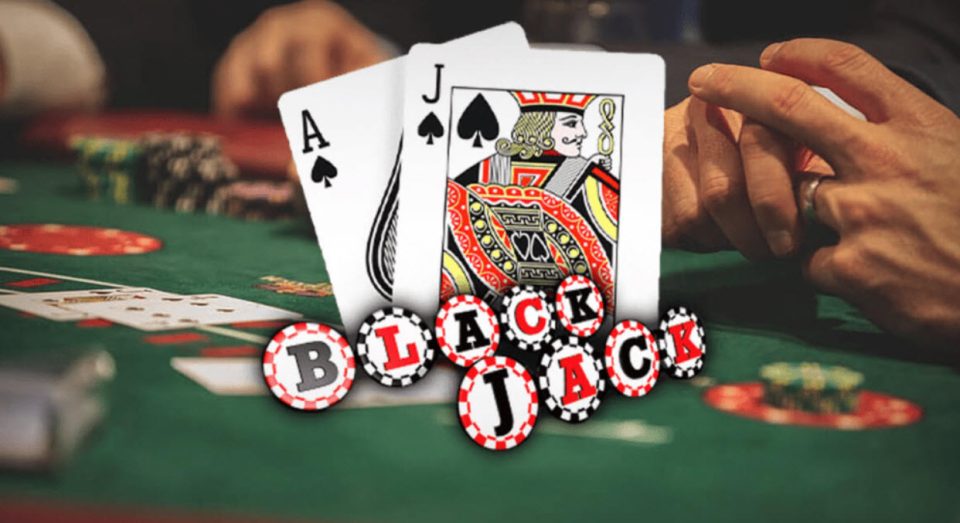
Blackjack is one of the most iconic card games played worldwide, especially in casinos where both luck and skill meet at the table. Known for its straightforward rules yet deeply strategic gameplay, blackjack attracts beginners and professionals alike. Whether you are learning the game for the first time or refining your playing style, understanding blackjack in detail will help you make smarter decisions and improve your chances of winning.
What is Blackjack?
Blackjack, also called twenty-one, is a card game where the main objective is simple: beat the dealer by having a hand value closer to 21 without going over. Unlike many casino games, blackjack gives players the chance to influence the outcome through strategy and decision-making rather than relying solely on luck.
The game is typically played with one or more standard 52-card decks, and each card carries a specific value. Number cards keep their face value, face cards (kings, queens, jacks) are worth 10, and aces can count as either 1 or 11 depending on what benefits the player’s hand.
Basic Rules of Blackjack
Before diving into advanced strategies, every player must understand the basic mechanics of the game:
-
The Deal: Each player and the dealer receive two cards. Players’ cards are usually dealt face-up, while the dealer shows one card face-up (the upcard) and keeps the other face-down (the hole card).
-
Objective: Get as close to 21 as possible without busting. A bust means exceeding 21, which results in an automatic loss.
-
Natural Blackjack: If a player’s first two cards are an ace and a 10-value card, it’s called a “blackjack.” This hand usually pays 3:2.
-
Dealer Rules: Dealers must hit until they reach at least 17. Some casinos require dealers to hit on a “soft 17” (a hand that includes an ace valued as 11).
-
Player Options: Players can hit (take another card), stand (keep current hand), double down (double the bet and take one card), split (separate two identical cards into two hands), or surrender (forfeit half the bet and end the round).
Why Blackjack Appeals to Players
Blackjack is not only entertaining but also considered one of the best games for skilled players because of its relatively low house edge when played correctly. Unlike games based purely on chance, blackjack rewards knowledge of mathematics, probability, and disciplined decision-making.
Some reasons for its enduring popularity include:
-
Easy-to-learn rules suitable for beginners
-
Opportunities for advanced strategies and card counting
-
High social interaction at live tables
-
Favorable odds compared to many other casino games
Essential Strategies in Blackjack
Success in blackjack often comes from applying the right strategies rather than making random choices. Below are the most important strategic principles every player should know.
The Importance of Basic Strategy
Basic strategy is a mathematically proven set of guidelines that tell players the best move (hit, stand, double, or split) depending on their hand and the dealer’s upcard. By following basic strategy, players can reduce the house edge to as low as 0.5%.
For example:
-
Always split aces and eights
-
Never split tens or fives
-
Double down when you have 11 against the dealer’s lower-value cards
-
Hit when you have a hand of 12 against a dealer’s 2 or 3
Bankroll Management
One of the most overlooked aspects of blackjack is bankroll management. Without discipline, even the best strategy can lead to losses. Players should:
-
Set a clear budget before playing
-
Decide on a betting unit that matches their bankroll
-
Avoid chasing losses by increasing bets recklessly
-
Know when to walk away, both after winning and losing
The Role of Probability and Odds
Every decision in blackjack is rooted in probability. For instance, hitting on 16 against a dealer’s 10 might feel risky, but mathematically it’s the correct move in most cases. Understanding the odds behind each choice helps eliminate emotional decision-making and supports long-term success.
Advanced Techniques: Card Counting
Card counting is a skill often associated with professional blackjack players. It involves tracking the ratio of high to low cards left in the deck to gain an advantage. While not illegal, casinos discourage this practice and may ban players suspected of counting.
The most popular system, known as the Hi-Lo count, assigns +1 to low cards (2–6), 0 to neutral cards (7–9), and -1 to high cards (10, face cards, aces). By maintaining a running count, players can adjust their bets and decisions accordingly.
Blackjack Variations
Over time, blackjack has evolved into several variations with slight rule changes. Knowing these differences is crucial before sitting at the table.
-
European Blackjack: Played with two decks, where the dealer receives only one card initially.
-
Spanish 21: Uses a deck with all the 10s removed, but offers bonus payouts on certain hands.
-
Pontoon: A popular version in the UK, with unique terminology and rules for doubling and splitting.
-
Blackjack Switch: Players receive two hands and are allowed to switch the second cards to improve their chances.
Common Mistakes to Avoid in Blackjack
Even experienced players make errors that can cost them money. Some common mistakes include:
-
Ignoring basic strategy and playing on “gut feeling”
-
Taking insurance, which often increases the house edge
-
Failing to manage bets consistently
-
Playing while tired, distracted, or emotional
Blackjack in Online and Live Casinos
Today, blackjack can be played both in physical casinos and online platforms. Online blackjack often comes with digital dealers and automated shuffling, while live dealer games stream real dealers through video. Each version has its pros and cons:
-
Online Blackjack: Convenient, fast-paced, and offers multiple table limits.
-
Live Dealer Blackjack: Provides a more authentic casino atmosphere with real-time interaction.
FAQs about Blackjack
What is the best way to win at blackjack consistently?
Following basic strategy combined with strong bankroll management is the most effective way to improve your odds in the long run.
Is blackjack purely luck-based or skill-based?
Blackjack involves both luck and skill. While the cards dealt are random, players can use strategy to influence outcomes significantly.
Should beginners learn card counting?
Card counting is complex and requires focus, practice, and mental agility. Beginners should master basic strategy before attempting advanced techniques like card counting.
Why do some players avoid taking insurance in blackjack?
Insurance may sound like protection against the dealer’s blackjack, but mathematically it often favors the house, making it a poor choice for most players.
How many decks are usually used in blackjack?
Casinos use anywhere from one to eight decks. Fewer decks generally give better odds to players, but most casinos prefer multiple decks to minimize card counting advantages.
Can blackjack be beaten long-term?
With proper strategy, discipline, and advanced techniques, players can sometimes gain a small edge. However, most casual players should treat blackjack as entertainment rather than a guaranteed income source.
